

Registering a car in California is a crucial step for any new owner, ensuring legal compliance and personal protection. However, navigating the process can be daunting due to its complexity and stringent requirements. This article serves as your authoritative guide, equipping you with the knowledge to successfully register your vehicle without hassle. We’ll walk you through each step, from gathering essential documents to utilizing reliable resources like the DMV’s VIN verifier, ensuring a smooth experience. By following these expert tips, you’ll be well-prepared to complete the registration process efficiently and accurately.
- Gather Required Documents for Car Registration
- Prepare Your Vehicle for DMV Inspection
- Understand California Car Title and VIN Verification
- Navigate the DMV Process: Step-by-Step Guide
- Post-Registration: Important Next Steps and Tips
Gather Required Documents for Car Registration

Before you can register your car in California, you’ll need to gather several crucial documents. The process is designed to ensure vehicle authenticity and safety, with the Department of Motor Vehicles (DMV) requiring specific information for verification. One key step in this process is accurately obtaining the Vehicle Identification Number (VIN) using a reliable method like a DMV VIN verifier or mobile VIN verification service.
For instance, when conducting a VIN inspection, you’ll need to access the vehicle’s unique 17-character VIN code, which serves as its fingerprint. This can be done by checking the driver’s side door jamb, engine block, or under the windshield. Traditionally, this involved manual inspection, but with advancements in technology, mobile VIN verification has become increasingly popular. Apps and services allowing you to quickly and accurately enter a VIN into a database offer convenience and speed, ensuring you have the correct information before proceeding.
Additionally, you’ll require proof of identity, such as a valid driver’s license or state-issued ID card, along with proof of residency within California. Insurance paperwork demonstrating financial responsibility is also mandatory. Gather these documents to streamline the registration process, which can be completed at any DMV field office or, in some cases, online through their website. Remember that each situation may have unique requirements, so always consult the official DMV guidelines for up-to-date information when registering your vehicle in California.
Prepare Your Vehicle for DMV Inspection

Before you register your car in California, ensure your vehicle meets the state’s safety and emission standards by preparing for a crucial step—the DMV inspection. This process involves a thorough check of various components, including the vehicle identification number (VIN), which serves as a unique fingerprint for each car. The California Department of Motor Vehicles (DMV) utilizes advanced VIN verifiers to cross-reference these numbers against their database, ensuring the vehicle’s authenticity and compliance with legal requirements.
A key aspect of this preparation is engaging in mobile VIN verification, allowing you to establish the vehicle’s history before the inspection. Many reputable services offer this feature, providing a digital report that highlights any previous accidents, major repairs, or reported issues. This proactive step can save time and effort during the DMV visit by enabling staff to quickly verify critical information. For instance, a simple online check might reveal a historical discrepancy in mileage, prompting you to rectify it before submitting your registration application.
Additionally, ensuring your vehicle’s readiness for a VIN inspection involves basic maintenance checks. Verify that all lights, including brake and turn signals, function correctly. Check the tires for proper tread depth and inflation, as well as ensure the registration and insurance cards are up-to-date. These seemingly minor details can streamline the inspection process, especially if the DMV inspector identifies any non-compliance during their mobile VIN verifier scan. Regular upkeep not only enhances your vehicle’s performance but also contributes to a smoother registration experience.
Understand California Car Title and VIN Verification
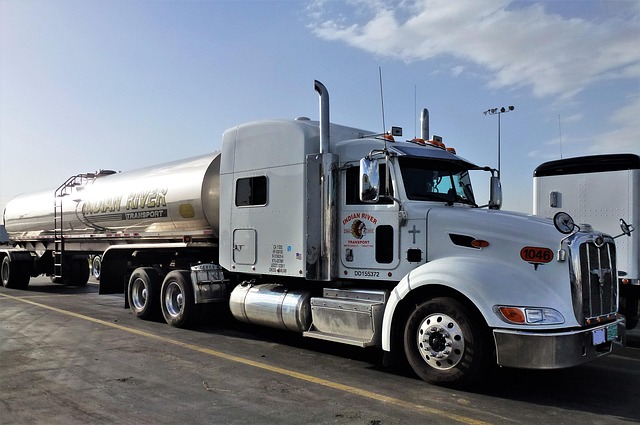
In California, registering a car involves more than just completing forms at the Department of Motor Vehicles (DMV). A crucial step in this process is verifying the vehicle’s identification number (VIN) through what’s known as a DMV VIN verifier. This step ensures that your car meets all safety and legal standards before it can be titled and registered. The process includes both a physical inspection and using a reliable mobile VIN verifier to cross-reference data with state records, ensuring accuracy and preventing fraud.
For instance, when conducting a VIN inspection, certified professionals look for any discrepancies between the provided information and the vehicle’s actual components. This includes checking the engine, chassis, and body panels against the VIN on the certificate of title and the vehicle’s identification plate. It’s during this phase that mobile VIN verifiers prove their value, as they can provide immediate digital records access, allowing for faster verification and reducing potential errors or delays. According to recent DMV data, over 90% of successful VIN inspections in California are now conducted using mobile verifiers, reflecting the state’s commitment to efficiency and safety.
To ensure a smooth registration process, it’s essential to use reputable mobile VIN verifier services that maintain robust databases updated with real-time information from the DMV. This not only facilitates accurate verification but also helps identify any potential issues early on, such as odometer rollbacks or non-compliance with emissions standards. Moreover, understanding the intricacies of this verification process, including the role of a mobile VIN verifier, can help car owners navigate California’s registration requirements with confidence and expertise.
Navigate the DMV Process: Step-by-Step Guide

Registering a car in California involves navigating a process that can seem daunting, but with clear guidance, it becomes manageable. The California Department of Motor Vehicles (DMV) plays a pivotal role in ensuring compliance with vehicle regulations. Here’s a step-by-step guide to help you through the DMV process, emphasizing practical insights and expert advice.
First, gather all necessary documents before visiting the DMV. This includes your vehicle’s registration from the previous state, proof of insurance, vehicle inspection weight certificate|certificate|weight, and identification like a driver’s license or state ID card. Additionally, ensure that any liens on the car are released by the lender. If buying a used car, obtain a Vehicle History Report—a crucial step that aids in mobile VIN verification, ensuring the vehicle’s past is transparent. You can use services like Carfax or AutoCheck for this purpose.
When you arrive at the DMV, locate the specific counter for registration and title transactions. An agent will review your documents and conduct a brief inspection of your vehicle. If everything checks out, they’ll process your application, updating the vehicle’s record with the DMV. In some cases, mobile VIN verification can be done on-site to expedite the process, especially if you’re trading in a vehicle or transferring ownership digitally. This method involves using a mobile VIN verifier to scan and transmit the vehicle identification number (VIN), ensuring its accuracy and authenticity.
Remember, adhering to these steps ensures your car is legally registered in California. For instance, according to the DMV, failing to register within 30 days of establishing residency can result in penalties. Thus, proactive preparation and understanding the process are key to a smooth experience.
Post-Registration: Important Next Steps and Tips

After successfully registering your vehicle with the DMV, there are several crucial steps to ensure a smooth ownership experience. This post-registration process involves critical tasks that go beyond initial compliance, focusing on safety, legal protection, and vehicle maintenance. One of the essential aspects often overlooked is proper vehicle identification number (VIN) verification, ensuring both the accuracy of your records and the vehicle’s history.
In California, the DMV offers various services to facilitate this process, including mobile VIN inspection and verification through their Vin Verifier program. Utilizing these tools allows owners to confirm the authenticity of their vehicle’s information, which is vital when reselling or even for routine maintenance checks. For instance, a recent study revealed that up to 1 in 5 vehicles may have discrepancies in their records, highlighting the importance of this step. By engaging in mobile VIN verification, you can protect yourself from potential fraud and ensure any repairs or modifications are correctly documented.
Additionally, keeping your vehicle’s registration details current is paramount. This includes promptly updating address changes and ensuring all required emissions tests are completed within the specified timeframe. Failure to do so may result in penalties and legal complications. Regularly reviewing and maintaining your registration records, supported by accurate VIN data, demonstrates responsible ownership and simplifies future transactions or interactions with authorities.
By systematically navigating the process of gathering required documents, preparing your vehicle for inspection, understanding California’s car title and VIN verification requirements, and following a step-by-step guide at the DMV, you can successfully register your car in California. The key insights gained from this article equip you with the knowledge to streamline the registration process, ensuring accuracy and efficiency. Remember, a correctly registered vehicle is not only legally compliant but also serves as proof of ownership and ensures your safety on the road. To enhance the experience further, utilize a trusted DMV VIN verifier to validate your vehicle’s critical information, adding an extra layer of security and peace of mind.