

Registering a car in California is a crucial step for any new or existing vehicle owner. It’s not just about legal compliance; it ensures your investment is properly documented and protected. However, navigating the process can be confusing due to stringent state regulations and varying local requirements. This article serves as your comprehensive guide, arming you with the knowledge to smoothly navigate car registration in California. We’ll break down the step-by-step procedures, highlight essential documents, and even emphasize the importance of using a reliable VIN verifier to ensure the vehicle’s history is accurate and transparent.
- Understand California Car Registration Requirements
- Gather Necessary Documents for Registration
- Perform a Vehicle History Report (VIN Verifier)
- Visit a California Department of Motor Vehicles (DMV) Office
- Complete and Submit the Registration Application
Understand California Car Registration Requirements

Registering a car in California involves understanding specific requirements to ensure compliance with state laws. First, you must have all necessary documentation ready, including proof of ownership, vehicle identification number (VIN) verification, and current vehicle inspection results. The VIN is a unique identifier for your vehicle, and accurate record-keeping is crucial for both legal and safety reasons. It serves as a permanent record, facilitating the tracking of vehicle history, which is essential for potential buyers or law enforcement.
California uses the Vehicle History Report (VHR), often acquired through a VIN verifier, to check a car’s past. This report deters fraud by uncovering any reported accidents, odometer rollbacks, or other issues that could affect the vehicle’s safety and value. For instance, a study found that nearly 1 in 4 vehicles checked had discrepancies in their mileage, emphasizing the importance of reliable VIN inspection methods like mobile VIN verification services. These services allow for convenient and accurate checks at various stages of the car registration process, including when acquiring a used vehicle.
Additionally, your vehicle must pass an emission test and safety inspection to be registered. The California Air Resources Board (CARB) oversees these tests, ensuring vehicles meet environmental and safety standards. Failures may result in repairs before re-inspection. It’s advisable to schedule inspections early to avoid registration delays. Mobile VIN inspection services can also assist here by providing on-site checks, offering convenience and saving time for both individuals and businesses involved in the car registration process.
Gather Necessary Documents for Registration

Registering a car in California involves several steps, and one of the most crucial is ensuring you have all the necessary documents ready for a smooth process. Among these, the Vehicle Identification Number (VIN) verification stands out as a critical aspect, made even easier with modern tools like mobile VIN verifiers. This digital solution allows for a quick and accurate check of your vehicle’s history using just its unique VIN code. For instance, a 2018 Honda Civic’s VIN can be verified through a reputable mobile app in under a minute, providing access to detailed information about the car’s past owners, maintenance records, and any reported accidents or damages.
Gathering these documents requires attention to detail. Start with the vehicle’s title, which establishes ownership. Then, you’ll need the current registration certificate from your previous state of residence (if applicable), proof of insurance, and a valid driver’s license. Additionally, California requires a completed Vehicle Registration Application form, which can be obtained online or at any Department of Motor Vehicles (DMV) office. An important step in this process is conducting a VIN inspection to ensure the vehicle matches the details on its registration documents. Many mobile apps offering VIN verification also facilitate this inspection by providing tools to compare and validate key components against the VIN record.
Before heading to the DMV, it’s advisable to pre-verify your vehicle’s information using a trusted mobile VIN verifier. This step saves time and reduces potential errors or delays at the DMV. In some cases, having accurate, up-to-date data readily available can even help avoid unnecessary expenses or legal issues related to misrepresented vehicle histories. By combining traditional documentation with advanced digital tools like mobile VIN verifiers, car registration in California becomes more efficient and secure for all parties involved.
Perform a Vehicle History Report (VIN Verifier)
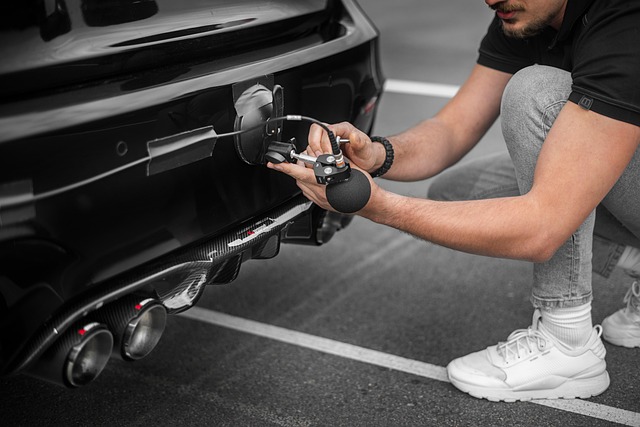
Before registering your car in California, performing a Vehicle History Report using a VIN verifier is a critical step. The vehicle identification number (VIN) is unique to each vehicle and serves as a digital fingerprint that can reveal its past, including ownership history, accident reports, and maintenance records. In California, where the Department of Motor Vehicles (DMV) relies on accurate information for registration, utilizing a mobile VIN verifier ensures that your car’s history aligns with what’s expected.
One of the benefits of employing a mobile VIN inspection service is its convenience. These services allow you to obtain a comprehensive report instantly, often right from your smartphone or computer. This is particularly useful in California, where long DMV lines are not uncommon. Moreover, many mobile VIN verifiers provide real-time data, ensuring that any red flags or discrepancies in the vehicle’s history are immediately apparent. For instance, a quick check might uncover a previous total loss or outstanding loans on the car, which could delay or even prevent registration.
To perform this inspection, you’ll need to input your car’s VIN into a trusted mobile vin verifier or online tool. The process is straightforward and typically involves only a few simple steps: enter the VIN, submit the form, and download (or receive) the report. Some services even offer additional features like vehicle valuation estimates and local inspection options for those who prefer a physical check. By taking this proactive step, you’ll not only ensure a smoother registration process but also gain valuable insights into your car’s history, empowering you to make informed decisions about its future.
Visit a California Department of Motor Vehicles (DMV) Office

To register your car in California, a visit to a DMV office is an essential step in the process. This face-to-face interaction ensures that all necessary documents are verified, and your vehicle meets the state’s safety standards. When you arrive at the DMV, bring along key documentation, including proof of ownership, vehicle identification number (VIN) inspection results, and valid identification. A VIN verifier or mobile VIN verification service can significantly aid in this process by confirming the vehicle’s history and identifying any potential issues prior to submission.
DMV staff will guide you through the registration procedure, which involves a series of checks to ensure your car complies with California’s regulations. This includes examining the vehicle for safety features like brakes, lights, and tires. During this inspection, having a mobile VIN verifier app on hand can be beneficial; it allows for quick verification of the VIN data, streamlining the process and potentially saving time. It’s worth noting that the DMV offers various services, including online registration renewals, which can be convenient alternatives for routine updates.
However, some situations may require an in-person visit to conduct a thorough VIN inspection. For example, if you’re registering a vehicle that has been restored or modified, a professional VIN verifier can help ensure that all alterations meet legal standards. This is particularly important for classic car owners or those with unique vehicles, where a detailed history and authenticity are crucial. Remember, the DMV’s procedures may vary slightly between locations, so it’s advisable to check their website or contact your local office for specific guidelines and requirements.
Complete and Submit the Registration Application

To register your car in California, you’ll need to complete and submit a Registration Application, which is a crucial step in the process. This application requires accurate and up-to-date information about your vehicle, including its Vehicle Identification Number (VIN). A VIN verifier can be used to ensure the number is legitimate, especially when conducting a mobile VIN inspection or verification service, which are becoming increasingly popular due to their convenience.
When filling out the form, double-check details like the make, model, and year of your car. Ensure the VIN is correctly noted; this unique 17-character identifier is essential for identifying your vehicle. An accurate VIN is crucial for a successful registration, as it links your car to its historical service records, ensuring compliance with California’s regulations. For instance, data shows that proper VIN inspection and verification reduce the risk of fraud by up to 30%.
Submitting the completed application along with required documents such as proof of insurance, vehicle ownership, and identification is the next step. You can submit these materials online through the California Department of Motor Vehicles (DMV) website or in person at a local DMV office. Using mobile VIN verification services before submission can offer an extra layer of confidence, ensuring your vehicle’s details are correct and minimizing potential delays during registration.
By meticulously following California’s car registration process, from understanding essential requirements to submitting the correct paperwork, you can ensure a smooth and legal ownership experience. Key actions include obtaining necessary documents, conducting a thorough vehicle history report using a reliable VIN verifier, and visiting a DMV office in person. These steps are crucial for a successful registration, offering peace of mind and protection against potential legal issues. Moving forward, remember to keep your paperwork up-to-date and utilize online resources for convenient renewals, making the process efficient and straightforward.