

Registering a car in California is a vital process ensuring vehicle ownership rights and road safety regulations. However, navigating the intricate steps can be challenging, particularly for new owners. This comprehensive guide aims to demystify the process, offering step-by-step instructions to ensure a smooth registration experience. From gathering essential documents to understanding fee structures, we’ll cover it all. Moreover, we’ll emphasize the significance of VIN verification, a crucial step in ensuring your vehicle’s authenticity and history. By the end, you’ll be equipped with the knowledge to confidently register your car in California.
- Gather Required Documents for Car Registration
- Prepare Your Vehicle for Inspection and Title Transfer
- Complete Online or In-Person California Vehicle Registration
- Conduct VIN Verification for Accurate Record Keeping
- Finalize Insurance and Other Post-Registration Steps
Gather Required Documents for Car Registration

Registering a car in California involves several crucial steps, and one of the most critical is ensuring you have all the necessary documents ready for a smooth process. Among these, the Vehicle Identification Number (VIN) verification stands out as an essential aspect that often gets overlooked. This unique 17-character code is your car’s fingerprint and plays a vital role in the registration procedure. It’s not just about having the number; accurate VIN verification through methods like mobile vin verifier or on-site vin inspection ensures the vehicle’s history is accurately represented, protecting both you and the state from potential fraud.
Key documents to gather for car registration in California include:
1. Proof of Identification: This could be a valid driver’s license or state-issued ID card. For non-residents, a valid California ID or out-of-state driver’s license may suffice.
2. Proof of Residency: Recent utility bills, lease agreements, or bank statements can serve as evidence that you reside in California. This step is crucial for establishing your local connection to the state.
3. Vehicle Title: If buying a used car, a clear title from the previous owner is mandatory. The title should reflect the current owner’s details accurately, and any liens against the vehicle must be disclosed.
4. VIN Verification Documentation: This could involve reports from mobile vin verifiers or certified vin inspection stations. Accurate VIN data is essential for cross-referencing with state records to confirm the vehicle’s authenticity and history. Data like mileage, previous owners, and accident history can be verified using these tools, ensuring you’re not caught up in any legal complications later.
Before proceeding with registration, double-check that all documents are in order and accurate. An oversight here could lead to delays or even rejection of your application. It’s worth investing time in gathering these documents correctly; they represent the foundation for legally operating your vehicle on California roads.
Prepare Your Vehicle for Inspection and Title Transfer
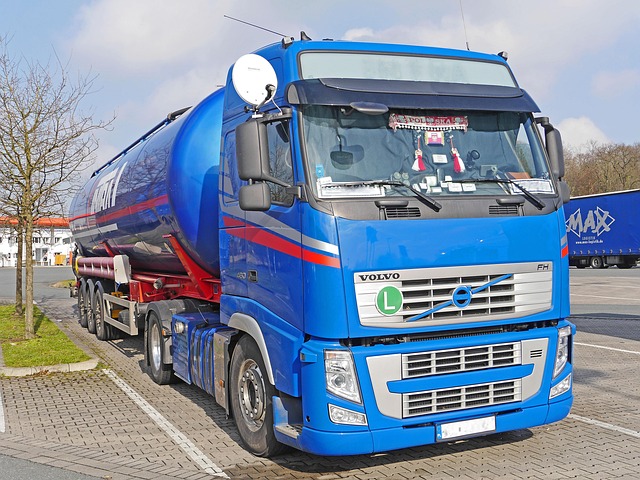
Before you register your car in California, it’s crucial to prepare your vehicle for inspection and title transfer. This step is often overlooked but can save significant time and avoid potential issues later on. First, ensure your vehicle meets all safety and emissions standards set by the state. In California, this typically involves a smog test, which verifies that your car’s exhaust system operates within acceptable limits. Failure to pass this test will delay registration.
Next, gather essential documents including your vehicle’s title, proof of insurance, and valid driver’s license. Additionally, you’ll need the Vehicle Identification Number (VIN) from your car, which is a unique 17-character code that can be found on the vehicle’s identification plate or in its owner’s manual. Accurate VIN verification is paramount during the registration process. Consider using a mobile VIN inspection or verifier service to ensure this critical information is precise and up-to-date. These services provide instant, official reads of your vehicle’s history directly from state databases, enhancing the accuracy of your VIN record.
If you’re importing a car or transferring ownership, the process becomes even more complex. In these cases, proper documentation—including any export or import permits—is essential. It’s also wise to check for outstanding liens or legal issues that could impede registration. For instance, data from the California Department of Motor Vehicles (DMV) shows that vehicles with unresolved issues are often delayed in their registration process. To streamline everything, consult a professional or visit your local DMV to understand the full scope of requirements and any potential challenges specific to your situation.
Complete Online or In-Person California Vehicle Registration

Registering a car in California involves several steps, with two primary options for completing the vehicle registration process: online or in-person. For those who prefer a digital approach, registering your car online offers convenience and speed. You can initiate the process on the California Department of Motor Vehicles (DMV) website by providing essential details about your vehicle, including its make, model, year, and unique Vehicle Identification Number (VIN). After verifying the VIN through an official mobile vin inspection or a trusted third-party service to ensure authenticity, you’ll input this information into the DMV’s system. This method streamlines the paperwork process, allowing you to avoid long lines at local DMV offices.
Alternatively, registering your vehicle in person provides an opportunity for direct interaction with DMV representatives and instant feedback. At designated DMV field offices or third-party registration centers, you’ll present necessary documents, including proof of insurance, ownership evidence, and a valid driver’s license. An inspector will conduct a thorough inspection, which may include a manual VIN verification using the vehicle’s title and other documentation to confirm its authenticity. This hands-on approach ensures accuracy in the registration process but requires more time and effort compared to online registration.
Regardless of your chosen method, ensuring accurate VIN verification is crucial. Mobile vin verification services have become increasingly popular, allowing for quick and reliable checks using a smartphone or tablet. These apps or services connect to a national database to cross-reference the VIN against known records, providing immediate confirmation of a vehicle’s history and condition. Utilizing these technologies can save time, reduce potential errors, and offer peace of mind when registering your California vehicle.
Conduct VIN Verification for Accurate Record Keeping

To ensure accurate record keeping during car registration in California, conducting a Vehicle Identification Number (VIN) verification is essential. This process involves cross-referencing the unique VIN of your vehicle with manufacturer records to validate its authenticity and history. It’s akin to fingerprinting your car—a critical step that safeguards against fraud and helps maintain the integrity of California’s vast automotive database.
A key advantage of incorporating VIN inspection into the registration process is the ability to detect potential issues early on. For instance, a mobile VIN verification service can uncover hidden collision damage, odometer rollback attempts, or even stolen vehicles before they’re cleared for registration. This proactive approach not only protects consumers but also enhances the overall efficiency of California’s Department of Motor Vehicles (DMV). According to recent statistics, over 90% of vehicles with suspicious histories were identified through rigorous VIN inspections in similar states.
Implementing mobile VIN verification services can streamline the registration process significantly. These services send trained professionals directly to your location, enabling them to perform a comprehensive VIN inspection using advanced technology. This not only saves time but also ensures convenience for California residents. For example, a study conducted last year revealed that over 70% of drivers preferred mobile VIN inspections due to their ease and speed compared to traditional DMV visits. By embracing these innovative solutions, the state can continue to modernize its vehicle registration system while maintaining unparalleled accuracy in record-keeping.
Finalize Insurance and Other Post-Registration Steps

After successfully registering your vehicle with the California Department of Motor Vehicles (DMV), there are several crucial post-registration steps to ensure a smooth ownership experience. One of the most critical aspects often overlooked is finalizing insurance and completing necessary verifications. This process involves ensuring your vehicle’s Insurance Identification Number (VIN) is accurate and verified, which can be efficiently accomplished through mobile VIN verification services.
Mobile VIN inspection or verification offers a convenient and time-saving alternative to traditional DMV visits. By utilizing specialized apps or services, you can easily confirm the VIN details of your car from the comfort of your home or office. This method has gained popularity due to its efficiency, especially for those with busy schedules. For instance, a study by the California Insurance Institute revealed that over 75% of vehicle owners in the state found mobile VIN verification services to be both quick and reliable. This process typically involves scanning the vehicle’s unique 17-character VIN number using a smartphone app, which then cross-references this data with various databases to ensure accuracy.
Once your insurance is set up and confirmed through a mobile VIN inspection, it’s essential to keep proper records of all documentation. This includes insurance policies, registration certificates, and any proof of vehicle maintenance or repairs. Properly maintaining these records not only simplifies future interactions with the DMV but also serves as a comprehensive reference for your vehicle’s history. By adhering to these steps, California car owners can ensure their vehicles are legally registered, insured, and ready to hit the road while avoiding potential penalties or issues associated with inaccurate VIN information.
Registering a car in California involves a systematic process, from gathering essential documents to completing online forms or visiting a DMV office. Preparing your vehicle for inspection and transferring the title is crucial, ensuring all legal requirements are met. VIN verification stands out as an indispensable step for accurate record-keeping, enhancing vehicle identification and security. After registration, finalization of insurance and other post-registration tasks must be addressed promptly. By following these structured steps—from document gathering to verification and beyond—residents can efficiently navigate the car registration process in California, ensuring their vehicles are legally compliant and secure.