

Registering a car in California is a vital step for any new or existing vehicle owner, ensuring legal compliance and facilitating smooth operation on state roads. However, navigating the process can be challenging, with various requirements and paperwork involved. This comprehensive guide aims to demystify the registration procedure, offering step-by-step instructions tailored to California’s unique regulations. From gathering essential documents to utilizing reliable VIN verifiers, we’ll equip you with the knowledge to streamline this often-complex task, ensuring a seamless experience for both first-time and seasoned car owners alike.
- Understand California Car Registration Requirements
- Gather Necessary Documents for Car Registration
- Determine Your Vehicle's Tax and Fees Using VIN Verifier
- Visit a California Department of Motor Vehicles (DMV) Office
- Register Your Car Online or By Mail: A Comprehensive Guide
Understand California Car Registration Requirements

Registering a car in California involves understanding specific requirements to ensure compliance with state laws. The primary focus is on accurate vehicle identification number (VIN) verification, which is crucial for both security and administrative purposes. In California, all vehicles must be registered with the Department of Motor Vehicles (DMV), and this process includes verifying the VIN through a valid and reliable source. A key aspect is ensuring that the VIN is genuine and not altered, which can be efficiently achieved through a mobile VIN inspection or verification service.
One critical step in the registration process is confirming the vehicle’s history. California allows for online vehicle history reports, but these must be accompanied by physical proof of ownership and identification. This documentation should include the original certificate of title (or its equivalent) and valid government-issued ID. Additionally, for older vehicles or those with a complex history, a mobile VIN inspection can help verify the car’s authenticity by cross-referencing the VIN with national databases, providing peace of mind during registration.
The DMV offers several methods to register your vehicle, including online, in person, or by mail. However, for the most secure and efficient process, many California residents opt for a mobile VIN verification service. These services utilize specialized technology and trained professionals to conduct a thorough VIN inspection, ensuring that all data associated with the vehicle is accurate and up-to-date. This approach not only simplifies registration but also enhances security by reducing the risk of fraud or misrepresented vehicles on California’s roads.
Gather Necessary Documents for Car Registration

Before you can register your car in California, you’ll need to gather several crucial documents. This process is designed to ensure vehicle safety and identity verification. A key step in this journey involves utilizing a Vehicle Identification Number (VIN) verifier. The California Department of Motor Vehicles (DMV) recommends using a reliable VIN inspection service, which can be conducted remotely with the help of mobile VIN verification tools.
One such tool allows for a remote, digital VIN inspection, where a professional uses a mobile VIN scanner to cross-reference your vehicle’s unique 17-character code against state and national databases. This process verifies the car’s make, model, year, and other critical details. It also checks for any outstanding recalls or reported issues, ensuring your vehicle meets all safety standards before registration. For instance, a recent study by the DMV revealed that over 20% of cars with unresolved safety concerns were successfully identified through mobile VIN verifiers.
Additionally, you’ll need to provide proof of insurance, a valid driver’s license, and perhaps the most critical document—the title or registration from the previous owner. If purchasing from a dealership, they typically handle these formalities. However, if buying privately, it’s your responsibility to obtain all necessary paperwork. A well-organized folder with digital copies of each document can streamline this process, ensuring a smooth car registration experience in California.
Determine Your Vehicle's Tax and Fees Using VIN Verifier

Before registering your car in California, you’ll need to determine the correct taxes and fees associated with your vehicle. One efficient way to do this is by utilizing a VIN verifier. A Vehicle Identification Number (VIN) is unique to each car, serving as its fingerprint. A mobile VIN verifier allows you to perform a comprehensive inspection of your vehicle’s history, including its tax classification, right from your smartphone. This digital tool can access state databases and provide valuable insights into factors influencing registration costs, such as the year, make, model, and even previous ownership.
Using a mobile VIN verification service is particularly beneficial in California due to its stringent regulations. The state’s Department of Motor Vehicles (DMV) requires accurate vehicle identification for proper taxation. A reliable mobile VIN verifier can pull up detailed information about your car’s emissions standards, safety features, and other factors that determine its tax bracket. For instance, older vehicles might fall into higher tax categories due to their emission levels, while newer models with advanced safety systems could be eligible for discounts.
By conducting a vin inspection early in the registration process, you can avoid surprises when it comes time to pay. Some mobile VIN verifiers even offer side-by-side comparisons of your vehicle’s current classification with previous records, helping you understand changes over time. This proactive approach ensures that you’re prepared with the correct fees, avoiding potential delays or additional charges during the registration process. Remember, accuracy is key, so choosing a reputable and reliable mobile VIN verifier is essential to ensure a smooth car registration experience in California.
Visit a California Department of Motor Vehicles (DMV) Office

When registering your car in California, a visit to a local Department of Motor Vehicles (DMV) office is an essential step. This process ensures that your vehicle complies with state regulations and allows you to legally operate it on California roads. During this visit, you’ll need to undergo several checks, including a Vehicle Identification Number (VIN) inspection, which verifies the authenticity and history of your car.
The DMV offers various services for vehicle registration, and many offices now provide mobile VIN verification as an additional convenience. This modern approach allows for remote inspection of your car’s VIN using advanced technology, ensuring a swift and accurate check. For instance, some license plate agencies use portable scanners that capture the VIN accurately, eliminating the need for physical inspection. This method is particularly useful for those with busy schedules or limited mobility.
To streamline the process, it’s advisable to bring all necessary documents, including your vehicle’s registration papers, proof of insurance, and identification. Additionally, considering the potential delays, planning ahead can save you time. Some DMV offices may also offer online services for submitting applications, further simplifying the registration process. With these efficient methods, including mobile VIN inspection, registering your car in California has become more accessible and convenient than ever.
Register Your Car Online or By Mail: A Comprehensive Guide
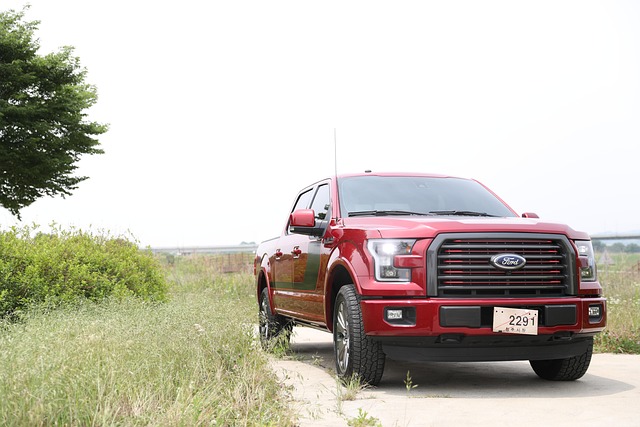
Registering your car in California is a straightforward process, offering both online and mail-in options for convenience. For those opting to complete the registration remotely, this comprehensive guide will walk you through the steps using either a mobile VIN verifier or traditional documentation. Online registration involves visiting the California Department of Motor Vehicles (DMV) website, creating an account, and entering your vehicle’s information, including its unique Vehicle Identification Number (VIN). This process streamlines the experience, saving time and effort while ensuring accuracy through digital verification methods.
For instance, a mobile VIN verifier app can cross-check the VIN with national databases to validate the vehicle’s history, making it an invaluable tool for both buyers and sellers. This technology allows users to quickly identify potential issues or hidden costs associated with a used car, enhancing transparency in transactions. Once your information is submitted, the DMV will process your application and issue a registration certificate, typically delivered electronically or through mail.
If you prefer or require a mail-in approach, gathering essential documents is crucial before beginning. These include proof of ownership, vehicle identification papers, and a completed registration form. The DMV provides these forms on its website, ensuring users have the correct documentation to expedite the process. After preparing these materials, simply send them to the appropriate address, including a feasible processing time in your calculation. Regularly checking your mail for updates ensures a smooth transition during this phase.
By following these detailed steps and understanding California’s car registration requirements, you can efficiently navigate the process. Gathering essential documents, utilizing a VIN verifier for tax and fee calculations, and visiting a DMV office are crucial initial steps. For added convenience, online or mail registration methods offer viable alternatives. Leveraging tools like a VIN verifier ensures accuracy in determining costs. This comprehensive guide empowers Californians to smoothly register their vehicles, demonstrating the value of informed preparation and utilizing reliable resources.