

Registering a car in California is a vital step for any new owner, ensuring legal compliance and ownership protection. However, the process can be confusing, with numerous steps and regulations to navigate. This comprehensive guide aims to demystify the registration procedure, offering an expert insight into every stage. From gathering essential documents to understanding fee structures, we’ll walk you through each crucial step. Moreover, we’ll emphasize the importance of Vehicle Identification Number (VIN) verification for accurate record-keeping and security. By following these guidelines, you’ll ensure a smooth car registration experience in California.
- Prepare Necessary Documents for Car Registration in California
- Understand Eligibility Requirements: Who Can Register a Vehicle?
- The VIN Verification Process: Ensuring Accuracy and Security
- Step-by-Step Guide to Registering Your Car Online or In-Person
- Post-Registration: Maintaining Your Vehicle's Legal Status in CA
Prepare Necessary Documents for Car Registration in California

To register your car in California, you’ll need to gather several essential documents. This process begins with verifying the Vehicle Identification Number (VIN) of your vehicle, a crucial step that ensures the authenticity and history of your car. One effective method for this initial verification is through a mobile VIN inspection or using a trusted mobile VIN verifier. These services offer convenience by allowing you to conduct the check from almost anywhere, saving time compared to traditional methods. For instance, many California Department of Motor Vehicle (DMV) branches now offer mobile VIN inspection services, making it easier for residents to initiate their registration process.
Along with the accurate VIN, prepare other fundamental documents such as proof of ownership, often in the form of a vehicle title, and valid identification like a driver’s license or state-issued ID card. If you’re purchasing the car from a dealership or private seller, ensure they provide the necessary paperwork, including any existing registration records and insurance information. It’s important to double-check these documents for errors or discrepancies before proceeding with registration.
Additionally, have your vehicle inspection certificate ready. California requires vehicles to pass an emissions test and safety inspection to be registered. Ensure your vehicle meets all safety standards by scheduling this inspection in advance. Some mobile VIN verifiers also offer combined services, including VIN checking, title verification, and even helping you locate trusted inspection stations nearby, streamlining the entire preparation process.
Understand Eligibility Requirements: Who Can Register a Vehicle?

To register a car in California, understanding eligibility requirements is crucial. The state has specific guidelines regarding who can legally register a vehicle, with an emphasis on ensuring vehicles meet safety standards and are properly identified. All individuals or entities that own a motor vehicle designed for use on public roads within the state must register it with the California Department of Motor Vehicles (DMV). This includes cars, trucks, motorcycles, and recreational vehicles.
Eligible registrants typically include California residents and out-of-state residents who have established a permanent address in the state. Businesses operating vehicles within California also need to comply with registration requirements. Non-residents temporarily using their vehicles in the state may be exempt from registration under certain circumstances, but they must still meet applicable emissions standards. Furthermore, vehicles imported into California for temporary use or those used exclusively on private property are typically not eligible for registration.
A key aspect of vehicle eligibility involves the verification of the Vehicle Identification Number (VIN). The DMV requires a valid VIN inspection to confirm the vehicle’s identity and history. This process can be completed through various methods, including using a mobile VIN verifier, which allows for remote and efficient VIN inspections. By utilizing these modern tools, both individuals and businesses can streamline the registration process, ensuring their vehicles meet all necessary criteria before finalizing the registration.
The VIN Verification Process: Ensuring Accuracy and Security

The Vehicle Identification Number (VIN) verification process is a critical step in ensuring the security and accuracy of car registration in California. Every vehicle has a unique VIN, serving as a digital fingerprint that contains vital information about its manufacture, model, and history. To register your car in California, you must undergo a rigorous VIN verification procedure to establish authenticity and prevent fraud. This process involves cross-referencing the provided VIN with manufacturer records to validate the vehicle’s identity.
California utilizes advanced systems for mobile VIN inspection and verification, allowing residents to complete this process efficiently from the comfort of their homes or businesses. Mobile VIN verifiers play a pivotal role in streamlining the registration experience. These specialized services employ trained professionals equipped with portable equipment to conduct on-site VIN checks. For instance, a mobile VIN inspector can quickly verify the authenticity of a classic car’s VIN, ensuring its historical integrity during a private sale. This approach saves time and effort for both buyers and sellers.
During a typical VIN verification process, several key elements are scrutinized. These include vehicle make, model, year, and specific identification numbers. By accessing manufacturer databases via mobile VIN verifiers, authorized personnel can verify the existence of the vehicle in their records. This step is crucial to prevent the registration of stolen vehicles or fraudulent documents. California’s stringent VIN verification requirements serve as a robust defense against automotive fraud, ensuring that only legitimate vehicles are registered on the state’s roads.
Step-by-Step Guide to Registering Your Car Online or In-Person

Registering a car in California involves several steps, whether you opt for an online or in-person process. This guide breaks down the procedures to ensure a smooth transition for both methods. Online registration offers convenience and speed, while visiting a DMV office is suitable when additional documents are needed. Either way, accurate vehicle identification number (VIN) verification is crucial. A VIN inspection ensures the vehicle’s history aligns with the information provided, protecting you from potential issues.
For online registration, start by accessing the California Department of Motor Vehicles (DMV) website. Gather your necessary documents, including proof of ownership, residency, and identity. The process involves entering your VIN to initiate the verification step. Here, a mobile VIN verifier can be beneficial; these apps provide quick and accurate scans, ensuring data integrity. Once verified, you’ll complete forms, pay fees, and schedule a time for in-person inspection if required.
In-person registration requires visiting a local DMV office with your documents. An agent will verify your VIN using a mobile VIN inspection tool, similar to online procedures. They’ll check for any brand-specific irregularities or reported issues on the vehicle’s history report. Upon successful verification, you’ll proceed with filling out forms and making payments. It’s advisable to reach out beforehand to confirm required documents and avoid unnecessary delays.
Regardless of your chosen method, VIN inspection is a critical step in ensuring a car’s legitimacy and safety. Always cross-reference information to protect yourself from potential fraud or undisclosed issues. Proper VIN verification contributes to a seamless registration process, paving the way for California roads.
Post-Registration: Maintaining Your Vehicle's Legal Status in CA
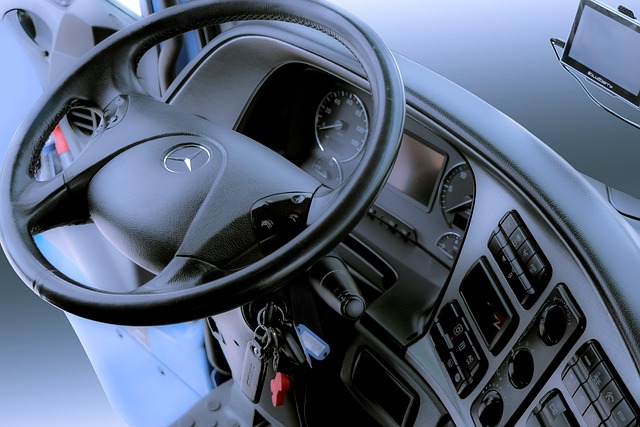
Post-registration, maintaining your vehicle’s legal status in California involves several crucial steps. One of the key aspects is ensuring ongoing compliance with Vehicle Identification Number (VIN) verification requirements. In California, this process is often facilitated through a mobile VIN verifier, allowing for convenient and accurate inspections. Regular VIN inspections are mandatory to prevent fraud and ensure that all vehicles on the road meet safety and environmental standards.
For instance, California’s Department of Motor Vehicles (DMV) requires a VIN inspection for specific transactions, such as when transferring ownership or registering a vehicle for the first time. A mobile VIN verifier can streamline this process by enabling inspections at various locations, including private properties and dealerships. These verifiers use advanced technology to cross-reference the VIN with state databases, confirming the vehicle’s authenticity and history. By employing a mobile VIN verification service, individuals and businesses can save time and effort while adhering to stringent legal requirements.
Data from recent studies indicates that proper VIN verification reduces theft and fraud rates by up to 30%. This underscores the importance of maintaining accurate records and ensuring every vehicle on California’s roads is legally compliant. To stay ahead, vehicle owners should schedule periodic VIN inspections, especially when significant modifications are made to their cars. Moreover, keeping detailed records of all VIN verifications can facilitate future transactions and help demonstrate due diligence in case of disputes.
Practical advice includes maintaining a digital or physical log of all VIN verifications, storing relevant documents securely, and being prepared to provide this information upon request from authorities or authorized personnel. Additionally, staying informed about any updates or changes in California’s VIN verification regulations is vital. By proactively addressing post-registration requirements, vehicle owners can avoid penalties, ensure their vehicles remain legally operable, and contribute to the overall integrity of California’s motor vehicle system.
By systematically navigating through document preparation, understanding eligibility criteria, and successfully completing the VIN verification process, you’ve empowered yourself to seamlessly register your car in California, ensuring both accuracy and security throughout. This authoritative guide has equipped you with a comprehensive toolkit, from online or in-person registration methods to post-registration maintenance tips, enabling you to confidently keep your vehicle’s legal status up-to-date. The key takeaways: prioritize accurate documentation, embrace the critical role of VIN verification, and stay informed about California’s specific requirements. With these insights in hand, you’re now prepared to tackle car registration with ease and authority.