

Looking to register your car in California? This comprehensive guide walks you through every step, from understanding key requirements to securing your registration plate. We’ll highlight the importance of DMV VIN verification, a crucial process ensuring vehicle authenticity. Prepare the necessary documents, gather your vehicle’s details, and follow our straightforward instructions for a seamless experience. By the end, you’ll be cruising California’s roads legally and confidently.
- Understand California Car Registration Requirements
- Gather Necessary Documents for DMV Visit
- Perform Vehicle Identification Number (VIN) Verification
- Complete Application and Pay Fees at DMV
- Receive Your Registration Plate and Document Updates
Understand California Car Registration Requirements

Before registering your car in California, it’s crucial to understand the state’s specific requirements. The California Department of Motor Vehicles (DMV) mandates several essential steps for car registration, ensuring vehicles on the road meet safety and identification standards. One key aspect is the DMV vin verification process, which involves checking the vehicle’s unique identifier, known as the Vehicle Identification Number (VIN). This step is vital to ensure the car’s history aligns with its claimed ownership and condition.
Additionally, California requires a complete and accurate registration application, along with necessary fees. The process may vary slightly depending on whether you’re registering a new or used vehicle. For instance, if purchasing a car from a private seller, you might need to conduct a mobile vin inspection to verify the vehicle’s history before submitting your registration documents to the DMV.
Gather Necessary Documents for DMV Visit

Before heading to the DMV, make sure you have all the essential documents for a smooth registration process. One crucial step in this preparation is undergoing a DMV VIN verification, ensuring that your vehicle’s unique identifier matches the information on record. This includes your vehicle identification number (VIN), which can be found on the vehicle’s certificate of title and/or on the dashboard near the driver’s side window.
Additionally, gather other necessary paperwork such as proof of ownership (if applicable), a valid driver’s license or state ID, and any required fees. If you prefer a more convenient approach, consider using mobile VIN verification services that can perform an inspection remotely, saving you time and potentially some trips to the DMV. These mobile vin verifier apps often streamline the process by providing instant results and guidance throughout.
Perform Vehicle Identification Number (VIN) Verification

Before you can register your car in California, it’s crucial to perform a Vehicle Identification Number (VIN) verification. This step is essential for ensuring that your vehicle matches the details on its registration documents and preventing fraud. You can conduct this process through a mobile VIN inspection or by visiting a DMV office.
A mobile VIN inspection offers convenience by allowing you to verify your car’s history at your preferred location. Alternatively, a vin inspection conducted at a DMV office is a straightforward process where an agent will cross-reference the vehicle’s details against their records. Either way, having accurate and up-to-date information is vital for a smooth registration experience in California.
Complete Application and Pay Fees at DMV

After gathering all necessary documents, it’s time to visit or contact the California Department of Motor Vehicles (DMV). You’ll need to complete a Vehicle Registration Application form, providing detailed information about your car, including its make, model, year, and unique VIN number. This process involves verifying the vehicle’s identity through a DMV vin verification, ensuring that all details are accurate and matching existing records.
During this step, you’ll also be responsible for paying the required registration fees. These fees vary based on several factors, such as your vehicle’s type, age, and use. Ensure you have the correct amount ready to avoid any delays. You can opt for various payment methods, including cash, check, or credit card. Some individuals may even choose to utilize a mobile vin verifier to streamline the process, allowing for quicker verification and potentially faster registration.
Receive Your Registration Plate and Document Updates
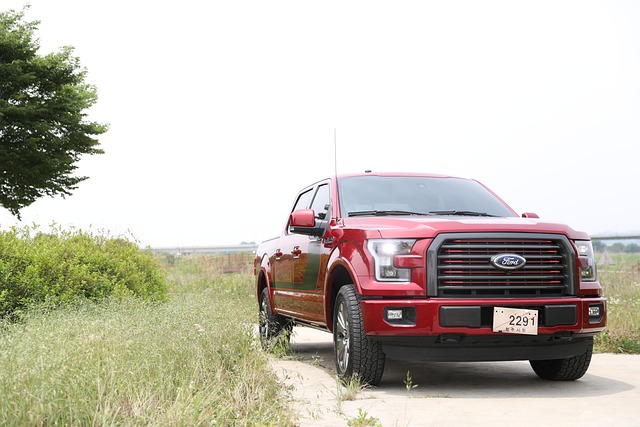
After completing your car’s purchase, it’s time to receive your new registration plate and update important documents. This involves a critical step known as DMV VIN verification, ensuring that all details about your vehicle match the information on record. You’ll need to schedule a mobile VIN inspection if you purchased a used car, as this process allows for a convenient and efficient way to verify the vehicle’s history and identity.
During the mobile vin verification process, a representative from the Department of Motor Vehicles (DMV) will visit your location to confirm key details about the car using its unique Vehicle Identification Number (VIN). Once verified, they’ll issue your registration plate, updating your documents accordingly. This step is crucial for maintaining accurate vehicle records and ensuring compliance with California’s regulations.
Registering a car in California involves understanding clear requirements, gathering essential documents, and successfully completing the process at the Department of Motor Vehicles (DMV). By performing a Vehicle Identification Number (VIN) verification, filling out applications, and paying fees, you’ll be on your way to receiving your registration plate and updating your vehicle’s legal status. Remember that proper documentation and adherence to DMV procedures are key to ensuring a smooth car registration process in California.