

Registering a car in California is a vital step for any new owner, ensuring legal compliance and facilitating smooth ownership experiences. However, navigating the process can be challenging, with complexities arising from various regulations and documentation requirements. This article serves as your comprehensive guide to demystifying this procedure. We’ll walk you through each crucial stage, emphasizing the importance of accurate VIN verification to ensure the authenticity of your vehicle’s identity—a critical first step in securing a legitimate registration. By the end, you’ll be equipped with the knowledge to confidently register your car in California.
- Prepare Required Documents for Car Registration
- Gather Vehicle Information for VIN Verification
- Check Eligibility and Pay Registration Fees
- Visit the DMV to Register Your Car
- Maintain Your Car's Registration and Records
Prepare Required Documents for Car Registration

To register your car in California, preparing the necessary documents is a critical step that often gets overlooked. Gathering these papers ensures a smooth process with the Department of Motor Vehicles (DMV). The primary document required is the Vehicle Identification Number (VIN) verification, confirming the vehicle’s authenticity and history. This process can be streamlined using a mobile VIN verifier, which allows for convenient and accurate inspections.
California law mandates that you provide proof of vehicle identity, ownership, and inspection upon registration. The VIN is a unique code that serves as the car’s fingerprint, and its verification is essential. A mobile VIN inspection service enables drivers to obtain this critical information promptly, often within minutes using their smartphones or tablets. These tools cross-reference the VIN with national databases, providing detailed vehicle history reports, including accident records, ownership changes, and maintenance records.
In addition to the VIN inspection, you’ll need documents like a valid driver’s license, proof of insurance, and a completed DMV form (Form DV306 for most vehicles). It’s advisable to check the DMV’s website for specific requirements based on your vehicle’s age and type. For example, classic cars or those over 25 years old may have additional paperwork needs. Ensuring you have all documents ready before visiting the DMV or using their online services can save significant time and effort during the registration process.
Gather Vehicle Information for VIN Verification

Before registering your car in California, you’ll need to gather crucial information about your vehicle for a Vehicle Identification Number (VIN) verification process. This step is essential as it ensures that the data on file matches the actual specifications of your car. The state of California requires this verification as part of its registration procedure to combat fraud and ensure road safety.
To prepare, start by locating your vehicle’s VIN, usually found on a plate attached to the driver’s side door frame or in the engine bay. It serves as a unique identifier for your car and is composed of 17 characters including numbers and letters. Once you have this number, consider utilizing a mobile VIN inspection service or a trusted mobile VIN verifier. These services can provide immediate validation, comparing your VIN with national databases to confirm its authenticity and check for any reported issues or recalls. For instance, the California Department of Motor Vehicles (DMV) does not conduct on-site VIN inspections; hence, having access to accurate data upfront streamlines the registration process.
Additionally, gather essential details about your car such as make, model, year, and exact specifications. This information is critical for the DMV to cross-reference during their internal vin verification processes. By proactively providing this data, you can potentially avoid delays or complications when submitting your registration application. Ensure all information matches perfectly with official records to pass through California’s stringent vehicle registration checks.
Check Eligibility and Pay Registration Fees
Before registering your car in California, ensuring you meet all eligibility requirements is paramount. First, confirm your vehicle’s status; it must be legally imported and not subject to any outstanding recalls or legal impediments. Check with the National Highway Traffic Safety Administration (NHTSA) for recall information using the Vehicle Identification Number (VIN) verification process. A simple online check or mobile VIN verification app can assist in this step, making it easier than ever before to access critical data. For instance, services like Carfax and AutoCheck offer real-time VIN inspection, providing a comprehensive vehicle history report.
Additionally, your car must adhere to California’s emissions standards. The state conducts emissions inspections for most vehicles, and you’ll need to pass this test to register. Older models or certain types of vehicles might require specialized inspections. It’s wise to consult the California Environmental Protection Agency (CalEPA) website for detailed information on these regulations, ensuring a smooth registration process.
Financial obligations are another critical aspect. Registration fees vary based on vehicle type and emissions status. California offers various payment options, including online platforms and mail-in payments. For instance, the fee for a standard car typically ranges from $50 to $200, depending on the county. However, there might be additional costs for custom plates or specialized registration services. Some counties in California also provide reduced rates or exemptions for certain low-income earners or veterans; such programs can be explored during the registration process.
Visit the DMV to Register Your Car
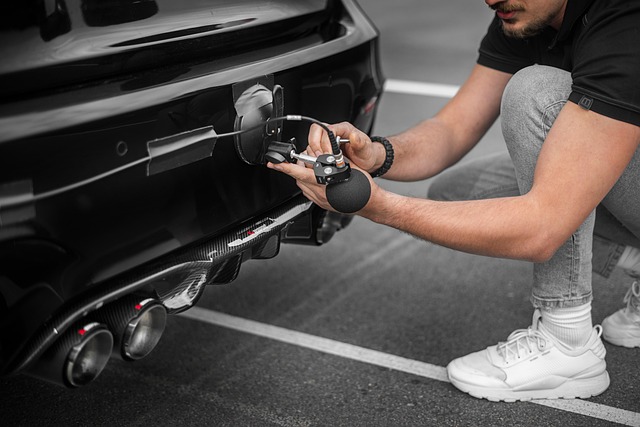
To register your car in California, a physical visit to the Department of Motor Vehicles (DMV) is an essential step. This process involves several checks and verifications to ensure the vehicle’s history and authenticity. One crucial aspect of this process is Vehicle Identification Number (VIN) verification, which plays a vital role in establishing ownership and vehicle integrity. At the DMV, you can expect a detailed inspection where a representative will cross-reference your car’s VIN with their records to confirm its identity and legal status.
During your visit, be prepared to present necessary documents such as proof of ownership, insurance, and identification. Additionally, some DMV locations now offer a mobile VIN verifier, allowing for a more convenient and efficient process. This technology enables staff to perform a real-time VIN inspection, comparing the vehicle’s information against state databases to ensure accuracy. Utilizing these modern tools, the DMV can streamline the registration process while maintaining rigorous standards.
For instance, in 2022, California’s mobile VIN inspection programs saw a 20% reduction in wait times compared to traditional methods. This advancement not only enhances customer experience but also reinforces the integrity of the registration process. When visiting the DMV, be sure to inquire about these services to potentially expedite your car registration and benefit from the latest technological advancements in vehicle verification.
Maintain Your Car's Registration and Records
Maintaining your car’s registration and records is a crucial aspect of vehicle ownership in California. After initially registering your vehicle, it’s essential to stay on top of regular renewals and keep your information accurate. One critical step in this process is ensuring proper VIN (Vehicle Identification Number) verification. This unique 17-character code serves as a digital fingerprint for your car, providing vital details about its make, model, and history. In California, you may avail of mobile VIN verification services, offering a convenient way to inspect your vehicle’s records on the go.
Regularly updating your registration ensures compliance with state regulations and prevents potential legal issues. The California Department of Motor Vehicles (DMV) provides an efficient online platform for renewal, but it’s also wise to verify your vehicle’s history through VIN inspection. This becomes especially important when buying a used car, as it helps uncover any hidden issues or previous accidents not reflected in the sales documents. Mobile VIN inspection services have made this process more accessible, allowing you to confirm a car’s authenticity and condition before finalizing a purchase.
Overlooking record maintenance can lead to delays, fines, or even legal consequences. To streamline the process, consider setting reminders for registration renewals and keeping detailed records of all transactions. Additionally, staying informed about any changes in California’s vehicle registration requirements ensures you’re always up-to-date. By integrating these practices into your car ownership routine, you’ll not only maintain legal compliance but also ensure the longevity and safety of your vehicle.
By meticulously preparing required documents, gathering essential vehicle information for VIN verification, ensuring eligibility and paying registration fees, and visiting the DMV to register your car, you can navigate the process of registering a vehicle in California efficiently. Maintaining up-to-date records, including proof of insurance and vehicle maintenance, is crucial to avoid penalties and ensure uninterrupted driving privileges. This article has provided clear steps and insights into each phase, empowering you with the knowledge needed to successfully register and maintain your vehicle’s status in this state.