

Looking to register your car in California? This guide will walk you through the process step-by-step. First, understand the state’s registration requirements for vehicles. Then, gather essential documents needed for your visit to the DMV, including proof of ownership and insurance. Next, perform a dmv VIN verification to ensure your vehicle meets California standards. Complete the registration application, pay fees, and obtain plate stickers. By following these straightforward steps, you’ll have your car registered in no time.
- Understand California Car Registration Requirements
- Gather Necessary Documents for DMV Visit
- Perform Vehicle Identification Number (VIN) Verification
- Complete Registration Application at the DMV
- Pay Registration Fees and Obtain Plate Stickers
Understand California Car Registration Requirements

Before registering your car in California, it’s crucial to understand the state’s specific requirements. The California Department of Motor Vehicles (DMV) mandates several key steps for ensuring your vehicle is roadworthy and compliant with local laws. One critical aspect is the DMV vin verification process, which involves checking the Vehicle Identification Number (VIN) to validate the car’s history and ensure it meets safety standards. This step includes a thorough vin inspection to confirm the vehicle’s authenticity and avoid any potential fraud.
Additionally, California requires all vehicles to pass an emissions test, which can be done at designated DMV locations or through mobile vin inspection services that provide convenient and efficient vin verification. These mobile vin verifiers offer a hassle-free alternative for those who prefer not to visit a DMV office. Ensuring your car meets these registration requirements is essential to obtain the necessary documents and legally operate your vehicle on California roads.
Gather Necessary Documents for DMV Visit

Before heading to the DMV, make sure you have all the required documents for a smooth car registration process. One crucial step is to obtain a DMV VIN verification report, which confirms the vehicle’s identity and history. This can be done online or in person. Additionally, gather your car’s title, current registration papers, proof of insurance, and a valid driver’s license or state-issued ID.
For convenience, many individuals opt for a vin inspection using mobile services that offer mobile vin verification. These services allow you to get the necessary information quickly without visiting the DMV in person. Ensure these documents are readily available as they play a vital role in completing your car registration in California.
Perform Vehicle Identification Number (VIN) Verification
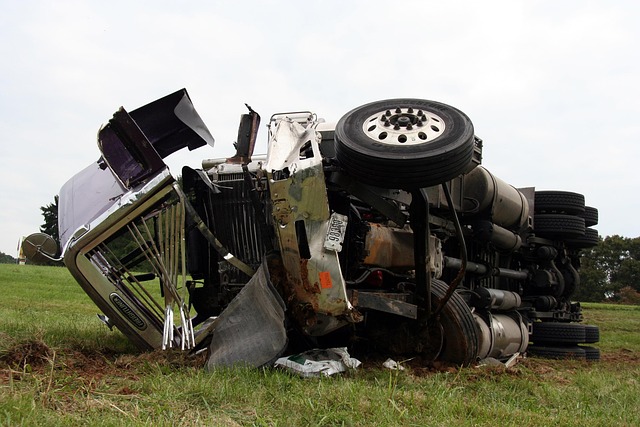
Before you can register your car in California, it’s crucial to complete a Vehicle Identification Number (VIN) verification process. This step is essential for ensuring that the vehicle you’re registering is genuine and has not been reported stolen. The California Department of Motor Vehicles (DMV) recommends using a trusted mobile vin verifier or scheduling an appointment for a vin inspection at one of their offices.
During this process, a qualified inspector will cross-reference your car’s VIN with relevant databases to confirm its history, including any previous owners, accident records, and outstanding liens. This verification is a critical component of the registration process and helps protect both you as the new owner and the state by deterring fraud and ensuring safe roads for everyone.
Complete Registration Application at the DMV

To begin the registration process for your car in California, you’ll need to complete the Registration Application at your local Department of Motor Vehicles (DMV) office. This is a crucial step that involves providing detailed information about your vehicle, including its make, model, year, and unique Vehicle Identification Number (VIN). The DMV will conduct a thorough VIN verification process, which is essential for ensuring the accuracy of the data associated with your car.
During this stage, you might opt for a mobile vin inspection or verification service to streamline the procedure. These services allow you to have your vehicle’s VIN checked remotely, saving time and effort. However, it’s important to remember that while these methods offer convenience, the DMV’s official verification remains mandatory for legal car registration in California.
Pay Registration Fees and Obtain Plate Stickers

After completing your vehicle’s registration application at the California DMV, it’s time to settle the fees. The cost of registering a car in California varies depending on several factors, including the type and age of your vehicle. You’ll typically need to pay a base fee plus additional charges for emissions testing or other requirements. Ensure you have the necessary funds ready before proceeding.
Once your payment is processed, you’ll receive your registration documents and plate stickers. These stickers must be displayed on both sides of your vehicle’s license plates. It’s crucial to attach them properly, as they serve as a clear indication of your vehicle’s registration status. For convenience, you can often order additional sets of stickers online if needed. Remember that timely renewal is essential, so stay alert for expiration dates and avoid any penalties by taking care of re-registration promptly, possibly with the aid of a mobile vin inspection or verifier service.
Registering a car in California involves understanding key requirements, gathering essential documents, performing a DMV VIN verification, completing an application at the DMV, paying registration fees, and obtaining plate stickers. By adhering to these steps and ensuring accurate information, you can successfully navigate the process, making your vehicle legally compliant on California roads.